Introduction
What is Augmented Reality (AR)?
Augmented Reality (AR) is an advanced technology that superimposes digital elements onto the physical world through devices like smartphones, tablets, or specialized glasses. By blending virtual objects with real-world environments, AR enhances user experiences in real-time. In retail, AR offers a new dimension to shopping, enabling consumers to interact with products in ways that were previously unimaginable.
Overview of AR Technology and its Relevance to Shopping
Over the last few years, AR has moved beyond the gaming industry into real-world applications, particularly in retail. Today, consumers can experience AR in various forms, from virtual fitting rooms to interactive advertisements. AR’s ability to simulate real-life experiences in a virtual space allows shoppers to explore products, visualize how they will look in their homes, and make informed purchase decisions, all from the comfort of their smartphones or in-store AR setups.
The Rise of AR in Retail
The Role of AR in the Digital Shopping Revolution
As online shopping continues to grow, AR is revolutionizing how consumers engage with products. The technology has enabled retailers to bridge the gap between the tactile in-store experience and the convenience of online shopping. AR allows customers to “try before they buy” in innovative ways, helping them make better-informed purchasing decisions.
See also: How Machine Learning is Changing the Way We Live and Work
The Adoption of AR by Major Brands
Big brands such as IKEA, L’Oréal, and Adidas have already embraced AR to enhance customer experiences. IKEA’s “IKEA Place” app, for example, allows users to visualize furniture in their homes before purchasing. L’Oréal’s AR makeup app lets customers try on makeup virtually, and Adidas has launched AR experiences that help customers select the right shoes based on their foot type.
Enhancing In-Store Shopping with AR
Virtual Fitting Rooms and Changing Rooms
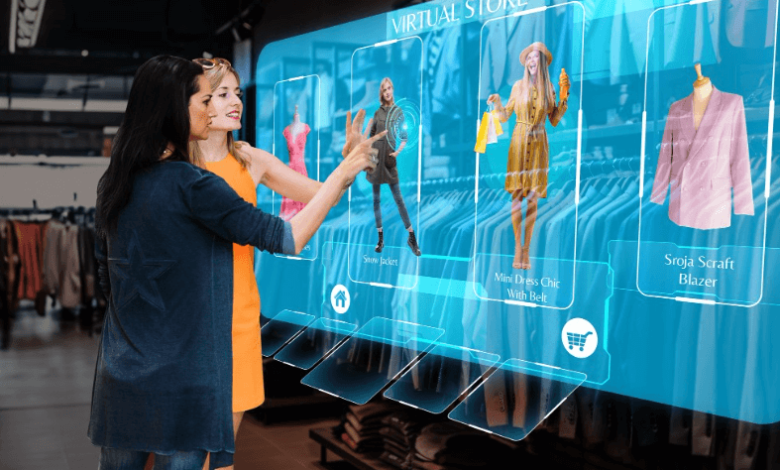
In physical retail stores, AR technology is changing the way customers shop for clothing and accessories. Virtual fitting rooms enable shoppers to try on clothes without physically putting them on, saving time and offering a more hygienic alternative. By simply standing in front of a smart mirror or using an AR-enabled app, shoppers can see how a product looks on their body without any physical contact.
AR-Enabled Product Displays and Interactive Stores
AR also enhances in-store product displays. Retailers can set up interactive screens that show detailed information, promotional content, or augmented product experiences. For instance, a customer in a beauty store could scan a product with their smartphone, and AR would display reviews, ingredients, and even tutorials on how to use the product.
AR in E-Commerce: Virtual Try-Ons
Virtual Try-On Technology for Clothing and Accessories
Virtual try-on technology, powered by AR, is one of the most popular applications of AR in e-commerce. With this technology, consumers can virtually try on clothing, shoes, or accessories using their phone cameras. Retailers like ASOS and Warby Parker have implemented AR tools to allow customers to see how items will look on them before making a purchase.
Virtual Makeup and Beauty Products Try-On Experiences
Beauty brands have also adopted AR to enhance the online shopping experience. Apps like Sephora’s Virtual Artist use AR to allow customers to try on makeup products such as lipstick, eyeshadow, and foundation without actually applying them. This provides customers with the confidence to purchase makeup online, reducing the likelihood of returns and improving overall customer satisfaction.
Personalizing the Shopping Journey with AR
AR for Personalized Product Recommendations and Experiences
AR can transform the shopping experience by offering personalized recommendations. By using AR, retailers can create customized experiences based on customer behavior, preferences, and past interactions. For instance, AR could suggest accessories that match a clothing item or highlight products that complement a customer’s recent purchases.
How AR Can Create Tailored Shopping Experiences
AR can help create an immersive and tailored shopping experience by dynamically adjusting what the customer sees. In a store or online, AR could showcase promotions based on user data, loyalty programs, and personal tastes, ultimately driving customer engagement and sales.
Improving Customer Engagement with AR
AR-Powered Loyalty Programs and Gamification
Loyalty programs and gamification are becoming key aspects of modern shopping. AR can enhance these programs by offering interactive experiences, rewards, and incentives. For example, a store could allow customers to scan certain products to earn rewards or unlock special discounts, gamifying the shopping process and boosting engagement.
The Role of AR in Building Brand Loyalty and Customer Engagement
AR fosters stronger brand loyalty by providing unique and fun experiences that customers want to return to. When brands offer engaging AR experiences, consumers feel more connected to the products, resulting in increased engagement and loyalty.
Enhancing Product Visualization with AR
3D Product Visualization in the Home Environment
For items like furniture, home décor, or even electronics, AR allows customers to visualize how a product would fit into their space. Using a smartphone or tablet, shoppers can place 3D models of products in their own homes before making a purchase, providing them with a more accurate understanding of the product’s size, color, and design.
AR for Home Décor, Furniture, and Interior Design
Furniture retailers like IKEA and Wayfair have embraced AR to give customers a virtual window into how their products will look in their homes. This helps eliminate uncertainty and reduces the likelihood of returns, as customers are more confident in their choices.
AR and Social Media Integration
AR Filters and Effects on Social Media Platforms for Shopping
AR is also making waves on social media, where brands are using AR filters and effects to promote their products. Platforms like Instagram and Snapchat have popularized AR filters, allowing users to try on products like clothing, makeup, and even furniture directly in their feeds. This social integration has made AR an essential part of marketing strategies for many companies.
How AR Integrates with Social Media to Boost Shopping Experiences and Sales
AR-driven experiences are not only fun but also serve as an effective sales tool. By integrating AR with social media, brands can create viral campaigns that drive product discovery and influence purchasing decisions. For instance, users can share their AR product try-ons on social media, generating organic buzz for the brand.
Boosting Conversion Rates with AR
The Impact of AR on Reducing Product Returns and Increasing Sales
AR is proven to reduce product returns in both online and offline retail. By allowing customers to try products virtually, AR gives them a better sense of how a product will look or fit, making them more confident in their purchases. This not only enhances the customer experience but also improves conversion rates for retailers.
How AR Technology Influences Purchasing Decisions and Conversion Rates
AR’s ability to provide a more immersive and interactive experience plays a pivotal role in influencing customer purchasing decisions. Customers who can virtually try products or see them in their own homes are more likely to complete a purchase, as AR reduces uncertainty.
The Future of AR in Retail
Emerging Trends and Technologies in AR for Retail
The future of AR in retail is bright. As the technology evolves, new innovations like haptic feedback, more realistic AR simulations, and even AR shopping via voice assistants are expected to emerge. These advancements will further enhance the shopping experience and blur the lines between the digital and physical worlds.
Predictions for the Next 5-10 Years of AR in Shopping
In the coming years, AR will continue to grow in importance within the retail industry. We can expect to see more widespread adoption, particularly as AR hardware becomes more accessible and affordable. The shopping experience will become increasingly immersive, allowing customers to shop in entirely new ways.
Challenges and Limitations of AR
Technical and Financial Challenges in AR Implementation
While AR offers tremendous potential, there are still challenges that retailers must overcome. High implementation costs, the need for advanced hardware, and the complexity of developing AR applications can be barriers to entry for smaller retailers.
Adoption Barriers for Small and Medium Retailers
For small and medium-sized retailers, implementing AR may seem daunting due to the costs involved. However, as AR technology becomes more mainstream and affordable, it’s likely that more retailers will embrace AR to stay competitive.
How AR Will Shape the Future of Shopping
AR is set to play a central role in reshaping the future of shopping. By providing consumers with interactive, personalized, and immersive shopping experiences, AR will redefine how people engage with products and brands. For retailers, adopting AR will be essential in staying competitive in an increasingly digital world.
Conclusion
Augmented Reality is revolutionizing the shopping experience by offering innovative ways for customers to interact with products and make better-informed purchasing decisions. From virtual try-ons to personalized shopping journeys, AR enhances both the in-store and online shopping experiences. As this technology continues to evolve, it will only become more integrated into our daily lives, changing the way we shop and interact with brands forever.
FAQs
- What is Augmented Reality in retail?
Augmented Reality (AR) in retail is the use of AR technology to enhance the shopping experience by allowing customers to visualize products, try them on virtually, or see how they fit in real-life environments. - How does AR improve the shopping experience?
AR improves the shopping experience by providing interactive, personalized experiences that help customers make more informed decisions, such as virtual try-ons or product visualizations. - Can AR reduce returns in retail?
Yes, AR can significantly reduce returns by helping customers make more confident purchasing decisions through virtual try-ons and product visualization. - Which brands are using AR in retail?
Many brands are adopting AR, including IKEA for home furniture, L’Oréal for makeup try-ons, and Adidas for virtual shoe fitting. - How does AR affect online shopping?
AR enhances online shopping by allowing customers to virtually try on products, see how they fit in their homes, and experience products before making a purchase, improving conversion rates. - What is the future of AR in shopping?
The future of AR in shopping is focused on greater immersion, improved realism, and integration with social media platforms, making shopping more interactive and personalized.