If you’ve owned a swimming pool for a while, you might have noticed a stubborn, chalky ring forming around the waterline tiles. That’s what we call a hard water line—a build-up of calcium and other minerals left behind as water evaporates. It’s not just an eyesore; if left untreated, it can damage your pool’s surfaces over time.
The good news? With the right maintenance routine, you can stop this problem before it starts. In this guide, we’ll cover how to prevent a hard water line on a pool so you can keep your backyard oasis looking pristine all year round.
What Causes a Hard Water Line?
In many parts of Australia, the water supplied to homes has a high mineral content—especially calcium and magnesium. This is known as hard water.
When hard water evaporates, those dissolved minerals don’t go with it. Instead, they cling to the tile, concrete, or fibreglass at the water’s surface, forming a visible white or grey line. Over time, these deposits harden, making them difficult to remove without scrubbing or specialised cleaners.
Factors that make hard water lines worse include:
- High evaporation rates in summer
- Imbalanced pool chemistry (especially pH and calcium hardness)
- Infrequent cleaning of the waterline tiles
- Wind and debris bringing extra minerals into the pool
See also: Exploring the Role of Big Data in Modern Decision-Making
How to Prevent a Hard Water Line on a Pool
Preventing hard water lines comes down to a combination of regular cleaning, water chemistry control, and reducing conditions that encourage mineral build-up.
Step 1. Keep Your Pool Chemistry Balanced
One of the most effective ways to prevent mineral build-up is by maintaining balanced water chemistry. Pay close attention to:
- pH Level: Aim for a pH between 7.4 and 7.6. Higher pH encourages calcium to precipitate out of the water.
- Calcium Hardness: Keep it in the recommended range (200–400 ppm for most pools). If it’s too high, you’ll get more scaling; too low, and the water will leach calcium from your pool surfaces.
- Total Alkalinity: Maintain between 80–120 ppm to help stabilise pH.
A reliable pool water testing kit or regular visits from a professional pool technician will help you stay on top of this.
Step 2. Brush the Waterline Weekly
Even with perfect chemistry, small deposits can still form. Brushing your pool’s waterline tiles or fibreglass shell once a week prevents minerals from settling and hardening.
Use:
- A nylon pool brush for vinyl or fiberglass
- A stainless-steel brush (only for concrete or plaster pools)
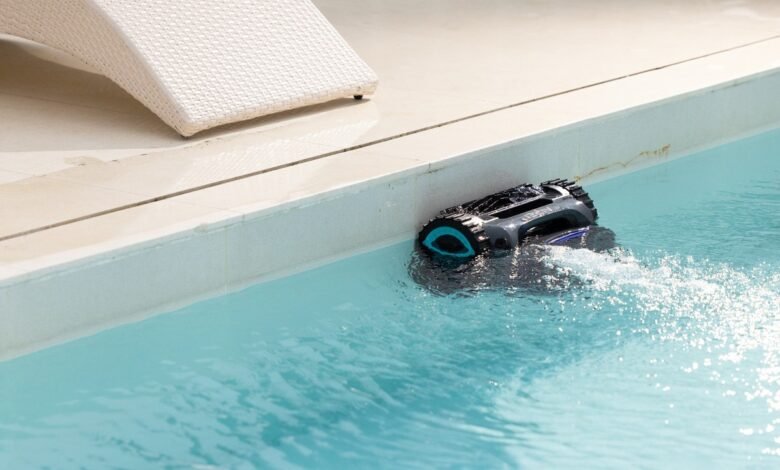
For even more convenience, consider using an automatic pool cleaner. Many modern models can scrub the waterline as they work, significantly reducing the time and effort needed to keep your pool looking its best.
Step 3. Reduce Evaporation
The faster your pool water evaporates, the quicker minerals get left behind. To slow evaporation:
- Use a pool cover when not in use.
- Plant windbreaks like hedges or fences to reduce wind exposure.
- Top up the pool in the early morning or evening rather than midday to avoid rapid evaporation in the heat.
This isn’t just good for preventing hard water lines—it also saves on water bills.
Step 4. Use a Tile Sealant
Applying a waterline tile sealant creates a protective barrier that makes it harder for calcium deposits to stick. These sealants are especially useful in areas with very hard mains water.
Make sure you use a sealant designed for pool use, and reapply as directed—usually every 6 to 12 months.
Step 5. Top Up with Softened or Low-Calcium Water
If your mains water is particularly hard, consider:
- Mixing mains water with rainwater from a tank when topping up
- Installing a water softener for pool top-ups
This reduces the total mineral load entering your pool and can significantly slow down scale formation.
Step 6. Control Metal and Mineral Levels
Special sequestering agents (also called stain and scale preventers) bind to minerals in your pool water, keeping them dissolved so they don’t stick to surfaces. These products are added periodically and are especially useful if you live in an area with high calcium or metal content in your water supply.
Step 7. Keep an Eye on Water Level
If your pool water level fluctuates a lot, deposits can form in wider bands, making them more obvious. Aim to keep the waterline consistent by:
- Topping up as needed
- Checking for leaks
- Avoiding splashing large amounts of water out during play
What to Do If You Already Have a Hard Water Line
Prevention is always easier than removal, but if you already see a hard water line, act fast.
- Light deposits: Try brushing with a pool-safe tile cleaner.
- Moderate scaling: Use a pumice stone (for concrete/plaster) or specialised scale remover.
- Severe build-up: You may need a professional acid wash or bead-blasting service.
The longer you wait, the harder it becomes to remove without damaging your pool’s surface.
Seasonal Maintenance Tips
Because Australian seasons bring different challenges, here’s a quick calendar for keeping your pool waterline spotless:
Summer:
- Test water chemistry twice a week.
- Brush the waterline more often due to higher evaporation.
- Use a pool cover when not swimming to reduce evaporation and debris.
Autumn:
- Keep leaf matter out of the pool to avoid tannin stains.
- Check pH regularly as rainfall can dilute chemicals.
Winter:
- Even if not swimming, run the filter and test water monthly.
- Brush the waterline at least once a month.
Spring:
- Inspect for early signs of scaling.
- Apply tile sealant before the swimming season kicks in.
The Bottom Line: Prevention Is Cheaper and Easier
A hard water line is a common pool problem, but it’s not inevitable. By balancing your pool chemistry, brushing regularly, reducing evaporation, and managing mineral levels, you can enjoy sparkling-clean waterline tiles all year round.
For those wondering how to prevent a hard water line on a pool, it really comes down to consistency. A few minutes of maintenance each week saves hours of hard scrubbing later—and keeps your pool looking as good as the day it was built.
If you’re struggling with scaling or unsure about your water chemistry, don’t hesitate to contact a professional pool service in your area. They can test your water, recommend products, and help you choose the best pool cleaner to keep that annoying chalky ring from ever making an appearance.